








Blog
Email Isn’t Dead: Cold Outreach That Works in 2025
25 August 2025
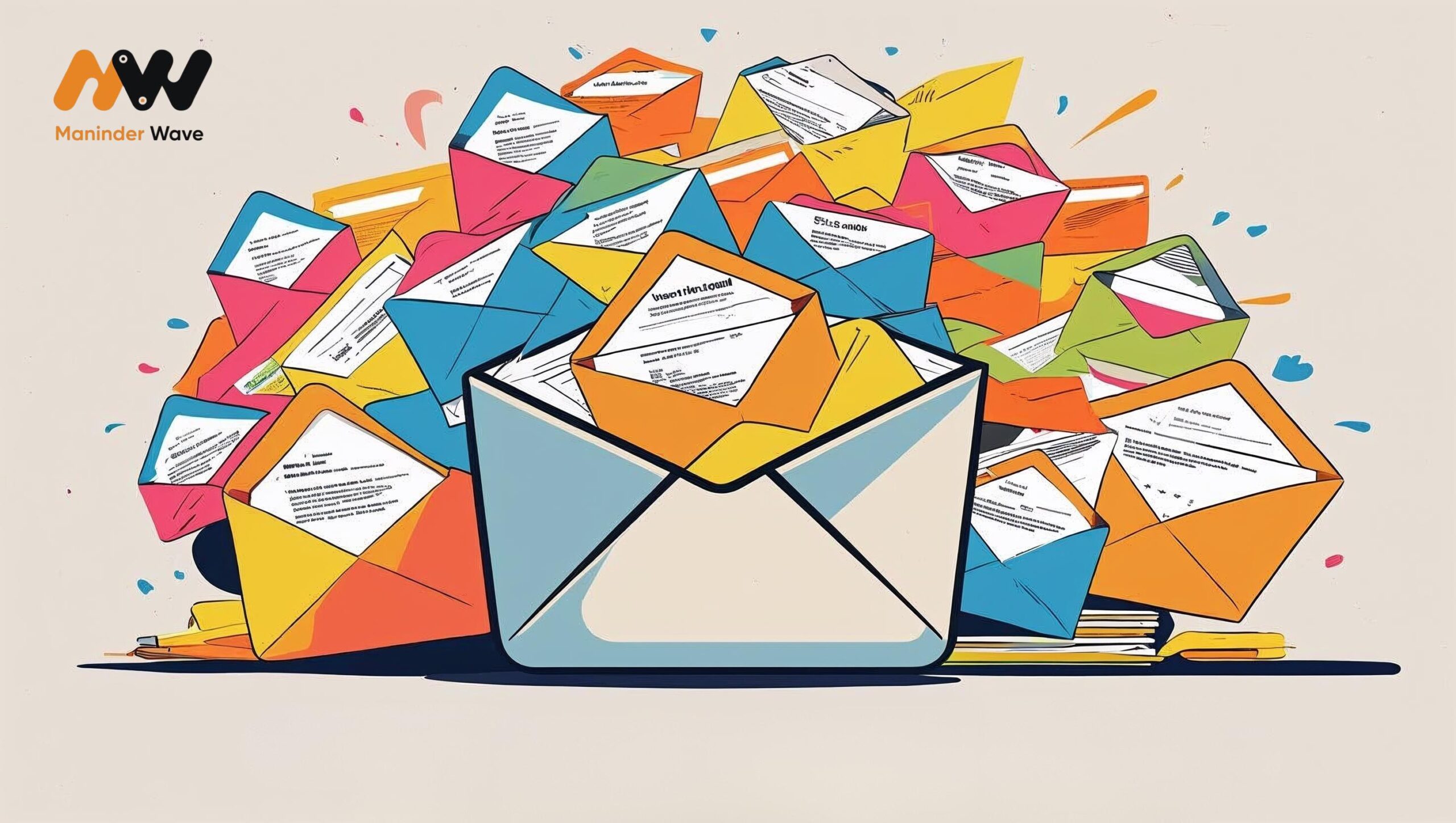
You’ve probably heard it a hundred times: “Email is dead.” Between flashy social media platforms, instant messaging, AI chatbots, and the constant influx of new communication tools, cold email outreach can seem like a relic of the past. But here’s the truth no one talks about enough: email is very much alive and kicking in 2025.
With the right strategy, cold emails remain one of the most powerful ways to connect with new prospects, spark conversations, and grow your business. The key is to smartly mix personalization, respect, and tech to stand out in inboxes. So if you’re wondering how to make cold outreach work in today’s noisy digital world, you’re in the right place.
Why Is Cold Email Still Relevant in 2025?
The power of cold email lies in its reach and context. Think about it: almost everyone, no matter their role or industry, uses email daily. It’s the digital equivalent of business phone calls from decades ago, still the “official” way to communicate in professional settings.
Emails aren’t disappearing into the noise the way social media posts might: they land right where professionals expect to find business communication, providing a direct line to decision-makers. Plus, email allows for personalization and opportunity to craft thoughtful, valuable messages tailored to individual needs, something broadcast ads or quick social updates often can’t match.
Besides, the inbound attention economy means people sometimes miss social media notifications or avoid direct messages from unknown users. A well-crafted email, however, has a better chance of being spotted, read, and most importantly, engaged with.
The New Rules of Cold Outreach in 2025
Cold email hasn’t stood still, even if some elements feel timeless. Here’s what’s different now:
Personalization at Scale: Advanced AI tools help gather insights and personalize each email beyond just the first name. You can tailor messages to company news, pain points, or recent successes.
Respecting Privacy Laws: Regulations like GDPR, CCPA, and CAN-SPAM mean you need to be transparent, provide opt-outs, and ensure you only email people relevant to your outreach.
Value First, Sales Later: Buyers are savvy; they want emails that offer insights or solutions, not just a sales pitch.
Multichannel Harmonization: Cold outreach works best as part of a wider prospecting strategy that can include LinkedIn, retargeting ads, and even phone calls.
Data-Driven Optimizations: Tracking opens, clicks, replies, and follow-up outcomes lets you tweak your emails in real time for better engagement.
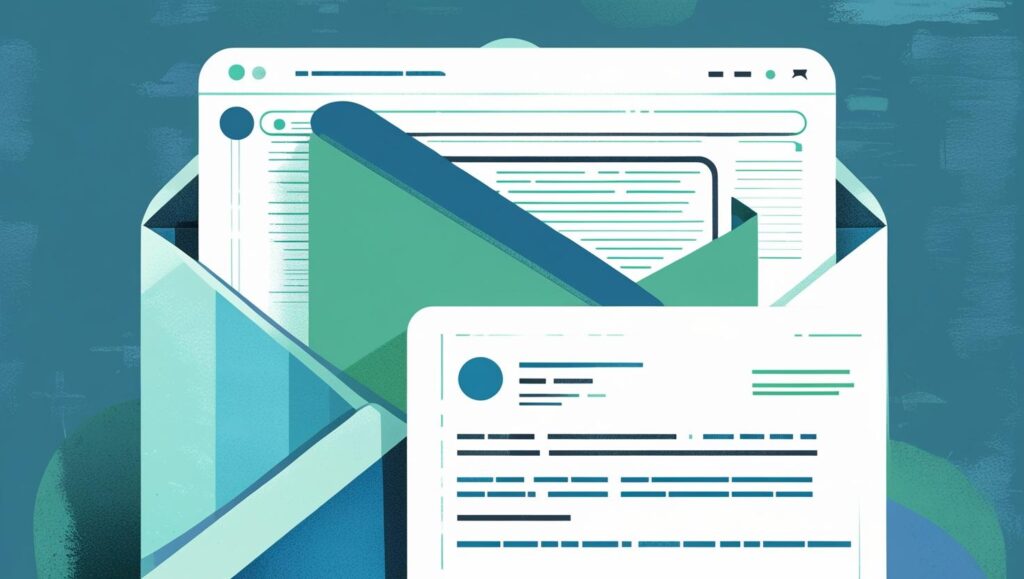
How to Write Cold Emails That Get Replies in 2025
1. Hyper-Personalize Your Approach
Forget “Dear Sir/Madam” or even “Hi Tony.” Today, personalization means diving deeper. Research your prospect’s recent company news, challenges they might be facing, or even posts they’ve shared on social media or LinkedIn. Reference those in your email to show you genuinely understand their world.
Example:
Instead of a generic message like “I offer marketing solutions,” try,
“Hi Tony, I saw your company LeadTech Solutions just launched a new product line, congratulations! We recently helped WeDrive Tech Solutions streamline their product launch process to boost time-to-market and sales volume. I think there might be some opportunities to do the same for you.”
The more relevant and specific you get, the higher your chances of a reply.
2. Write Subject Lines That Spark Curiosity and Value
Your subject line is your foot in the door. It needs to be short, clear, and compelling without sounding spammy. Avoid heavy sales language or too much hype.
Good examples to inspire you:
“A quick idea to improve LeadTech Q3 results”
“How LeadTech saved 15 hours a week”
“Can I share a case study with you?”
These tell the recipient there’s something inside worth opening the email for.
3. Keep It Brief and Don’t Overwhelm
Inboxes are busy places. Attention spans are short. Your email should be no longer than 3–5 sentences. Quickly state who you are, why you’re reaching out, and what value you can offer in language your reader understands.
Too often, emails bog down readers in lengthy paragraphs and jargon that turn them off. Instead, be clear, friendly, and respectful of their time.
4. Always Have a Clear Call to Action (CTA)
Don’t leave leads wondering what to do next. Your email should have one clear and simple CTA: a call, a demo, a reply, or even a quick confirmation.
Examples:
“Would you be open to a 10-minute call next week?”
“Let me know if you’d like me to send over a case study to review.”
“Can I schedule a demo for you next Tuesday?”
Make saying yes easy and low-risk.
5. Use Follow-Ups Wisely
Persistence pays off, but don’t turn into a pest. Follow up 2–3 times spaced a few days apart if you don’t hear back. In your follow-ups, add new insights, a helpful tip, or relevant content to give them fresh reasons to engage.
Here’s a simple follow-up example:
“Hi Tony, just circling back to my last email about helping WeDrive Tech Solutions with their low conversion rate. If now isn’t the right time, no worries, just wanted to check in. Let me know if you want to chat!”
Tips to Avoid the Spam Folder
Emails land in spam folders for many reasons, but most boil down to relevancy and trust.
Personalize your emails so they don’t feel like mass mailings.
Avoid salesy or spammy words like “Buy now” or “Free!” in subject lines.
Use verified sending domains and reputable email platforms.
Keep your email list clean by regularly removing invalid addresses and unsubscribes.
Include an easy way for recipients to opt out.
The Tech Side: Tools to Supercharge Your Outreach
Building effective cold outreach campaigns is easier with the right tools:
AI Writing Helpers: Quickly draft tailored email copies based on intelligent prompts.
CRM Platforms: Track prospects, send automated follow-ups, and organize sequences.
Email Verification: Reduce bounce rates and maintain sender reputation.
Analytics: Real-time data on opens, clicks, and replies to optimize messaging.
Multichannel Automation: Integrate LinkedIn, SMS, and phone outreach into one workflow.
Final Thoughts: Cold Email Isn’t Dead, it’s Evolving
Cold emailing isn’t obsolete; it’s a craft that’s simply changed shape. Today, it’s about thoughtful, respectful outreach that focuses on building relationships, not just sales pitches. By personalizing messages, keeping it short, clear, and valuable, and leveraging modern tools, you’ll open doors that social media DMs often can’t.
Try out these tips, experiment with your messaging, and watch your cold emails become warm conversations and real opportunities.
Need help writing customized email templates or building outreach sequences? I’ve got you covered!
FAQs About Cold Email Outreach in 2025
Is cold email still legal with GDPR and other privacy laws?
Absolutely, it’s legal as long as you follow the rules. This means providing clear opt-out options, only contacting prospects relevant to your business, and respecting privacy requests.
How manyfollow-ups should I send before stopping?
We recommend sending 2–3 follow-ups spaced over about two weeks. If there’s no response after that, it’s best to pause or try reaching out later with a new angle.
When is the best time to send cold emails?
Early mornings (7–9 AM) or early afternoon (1–3 PM) on weekdays tend to have the best open rates. Testing for your specific audience can help fine-tune timing.
How do I avoid getting flagged as spam?
Personalize each email, use trusted sending platforms, avoid spammy language, and clean your email lists often. Also, make sure you include your contact info and easy unsubscribes.
Should cold email be combined with other outreach methods?
Yes! Supplement your cold emails with LinkedIn messages, phone calls, and retargeting ads. Multichannel outreach boosts your chances to build relationships.
What if I feel nervous or unsure about cold emailing?
It’s totally normal to feel that way. Start small, test different messages and subject lines. Learn from replies and tweak your approach as you go. Practice builds confidence.