








Blog
From Clicks to Clients: Proven Inbound Growth Hacks
22 August 2025
Let’s be honest—getting a click online feels great. Maybe it’s proof that your post or ad is grabbing attention. But if those clicks aren’t turning into actual clients, your business isn’t growing. The truth? There’s a huge difference between catching eyeballs and winning loyal customers who keep coming back and bring their friends.
So, how do today’s fastest-growing companies make that leap from “nice click” to “happy client”? They lean into inbound marketing and build an inbound funnel that fits their audience like a glove. At Maninder Wave, we have spent years helping businesses do exactly this, and in this guide, I’m opening the playbook. If you’re ready to turn traffic into trust—and trust into business-read on.
How Inbound Strategies Work in Real Life
Forget shouting at strangers. Inbound is about offering genuine help, showing you care, and making your brand impossible to ignore. Instead of spammy cold calls or generic ads, inbound is centred on useful content: think blogs that answer burning questions, videos that teach or inspire, stories that spark conversation, even quizzes or how-to checklists that solve actual problems.
The goal? Get people leaning in because you’re solving their headaches, not giving them one.
Picture this: You’re an expert in tax advice. Rather than blasting ads for “best tax filing service,” you share a blog that explains three simple tax hacks most small businesses miss. The result? Small business owners start seeing you as the friendly expert who gets their problems, not just as another service provider.
The Inbound Marketing Funnel: It’s a Journey, Not a Transaction
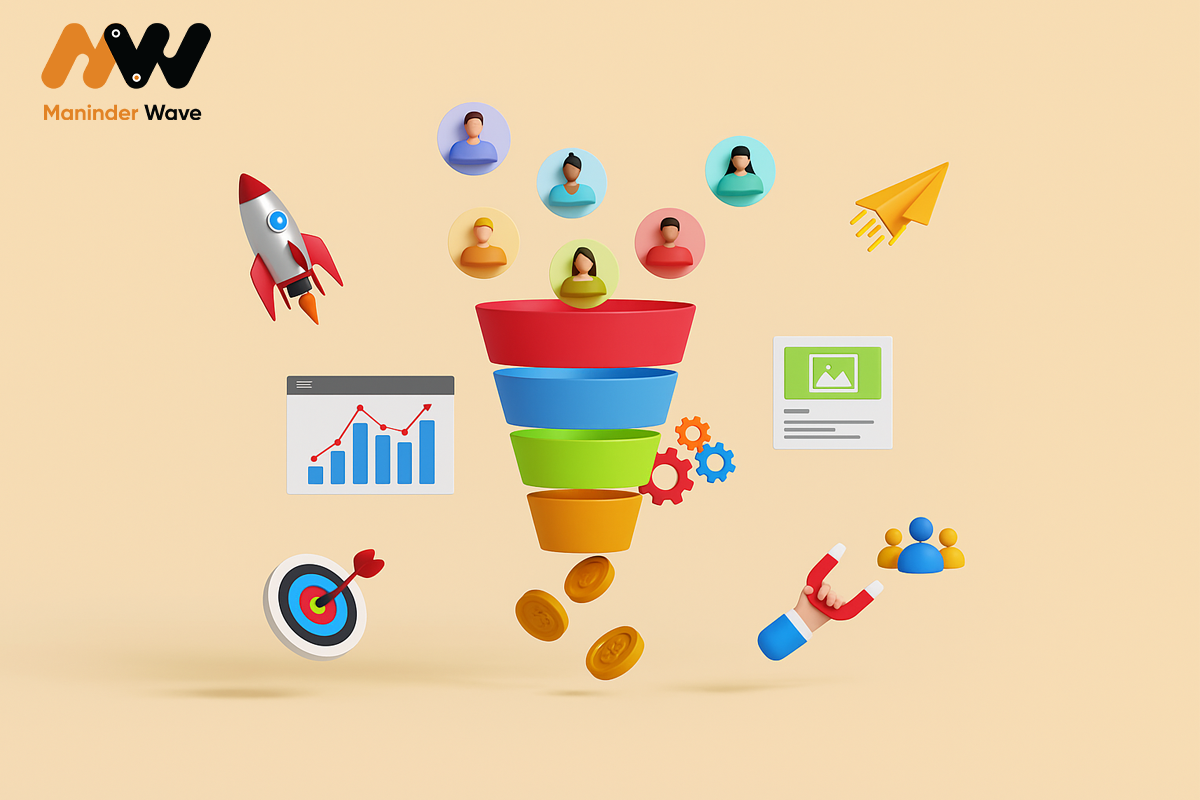
Think about the last time you bought something important online. You probably searched for answers, checked a few reviews, maybe watched a video, and then made your choice. That’s the inbound funnel in a nutshell:
- First, you attract folks who aren’t sure what they need
- Then, you help them consider their options
- Finally, you make it easy for them to become your client
Here’s how the funnel plays out:
1. Top of Funnel: The Doorway (Awareness)
Nobody walks into a store they’ve never heard of. The top of your funnel should be open, welcoming, and visible. Your audience finds you through search-friendly blog posts, simple explainer videos, or fun Instagram tips. You’re answering questions before people even know your company’s name.
Real example:
A financial planner posts “5 Mistakes Families Make When Saving for College.” Parents begin discovering her advice simply by googling their worries.
2. Middle of Funnel: The Conversation (Consideration)
Now that people know you exist, they want to know if you understand their problem. Webinars, downloadable guides, stories from happy clients, or honest Q&As all work here. Your job is to help them compare and decide—without pushing.
Real example:
A boutique marketing agency hosts free webinars every month. Attendees aren’t hit with a sales pitch but leave knowing “If I ever hire someone, I trust these folks.”
3. Bottom of Funnel: The Handshake (Decision)
Last stage: don’t make people jump through hoops. Product demos, free trials, one-on-one consults, and customer testimonials all help leads feel safe making the jump.
Real example:
A software company invites hot leads for a free 15-minute onboarding call, promising there’s “no obligation and no hard sell.” Most say yes because they’re already convinced by earlier webinars and guides.
Why Inbound Works So Well for Client Acquisition
- You attract people who care: When your content solves real problems, the folks who show up are more likely to want what you offer.
- You build trust before asking for a sale: Generosity builds good faith. When leads see you sharing knowledge, they believe you’ll deliver value as a client or partner.
- You spend less, earn more: A single killer guide or video can attract quality prospects for months or years—unlike ads that disappear as soon as your budget does.
- You automate the boring stuff but add a human touch: Drip emails, retargeted ads, and scheduled webinars keep leads moving through your funnel, while genuine conversation seals the deal.
The Heart of Inbound: Content That Actually Connects
Let’s break down the absolute essentials:
Blogging & SEO
Blogging isn’t about writing what you want to say; it’s about answering what your audience wants to know. Great blogs get found in Google searches and deliver “aha!” moments. Keep your posts practical, relevant, and packed with real-life solutions.
Lead Magnets & Free Stuff
Offer something genuinely useful a cheat sheet, checklist, or mini-guide if people give you their email. But don’t just recycle generic tips. Solve a real problem, and they’ll be glad to hear from you again.
Webinars & Videos
Seeing a face or hearing a voice builds trust instantly. Live webinars let you engage people in real time; short explainer videos keep your brand memorable and helpful 24/7.
Case Studies & Client Stories
Got a happy customer? Tell their story. Use real numbers and plain language, not salesy fluff.
Regular, Helpful Email
Automate follow-ups, but keep them helpful and personal. “Just checking in” beats “It’s been 3 days, sign up now!” Show you remember what people care about.
Personalization
Smart automation can send the right message to the right person at the right time. But add a real signature, ask a genuine question, and keep it conversational.
True Stories: The Proof Is in the Practice
HubSpot grew massively by giving away marketing templates and guides for free-no strings attached. The result? Millions of businesses came to them first, eventually saying, “Okay, you’ve helped me enough. I want more.”
Neil Patel answers so many SEO questions each month that small business owners consider him their go-to guy—so when it’s time to pick an agency, guess who’s top of mind.
Zendesk’s customer webinars and useful guides made their platform the obvious choice for businesses that wanted less hassle and more results.
Getting Real About Inbound Challenges
Inbound is not magic. Sometimes your content flops, your guide gets downloaded by the wrong crowd. What matters is learning, tweaking, and persevering.
- Struggling to stand out? Get specific. Instead of “How to do marketing,” write “How Mumbai tech startups can win leads on a tight budget.”
- Unsure if your efforts are working? Use tracking tools to follow leads right back to the blog post or video that caught their eye.
- Running out of ideas? Ask your customers what they wish someone would explain—or what keeps them up at night.
Consistency wins. A content calendar, even a simple weekly checklist, keeps you accountable and protects momentum.
FAQs
What is an inbound marketing funnel and why do companies need it?
An inbound marketing funnel is the process of attracting prospects with valuable content, nurturing them through trust-building, and converting them into customers. Companies need it because it generates qualified leads, reduces costs, and creates a consistent path for long-term growth.
What are the best inbound strategies to find serious leads?
Stick to helpful guides, honest case studies, lively webinars, and smart SEO. Solve real problems, and the right people will find you.
How does storytelling in content help turn clicks into clients?
People buy from people, not faceless logos. A good story sticks in their brain, and real-world results make you memorable.
How quickly can inbound marketing start showing results?
It’s a marathon, not a sprint. Sometimes folks sign up in days; usually, serious growth shows up after months of solid, genuine effort.
What rookie mistakes should I avoid in inbound marketing?
Don’t copy what everyone else is doing, don’t forget to ask for questions and feedback, and don’t disappear after one email. Follow up, stay relevant, and keep learning.
Can I blend outbound and inbound for faster growth?
Absolutely! Cold emails or ads can introduce people, but inbound content earns their confidence. Smart companies use both—making every click count.
If you focus on being helpful, honest, and consistent, clicks will start turning into clients—and your business will grow in ways that last. No tricks needed. Just real connections, real value, and a funnel built on trust.