









Blog
Geo vs Traditional SEO: 4 Signs You’re on the Right Path
4 September 2025
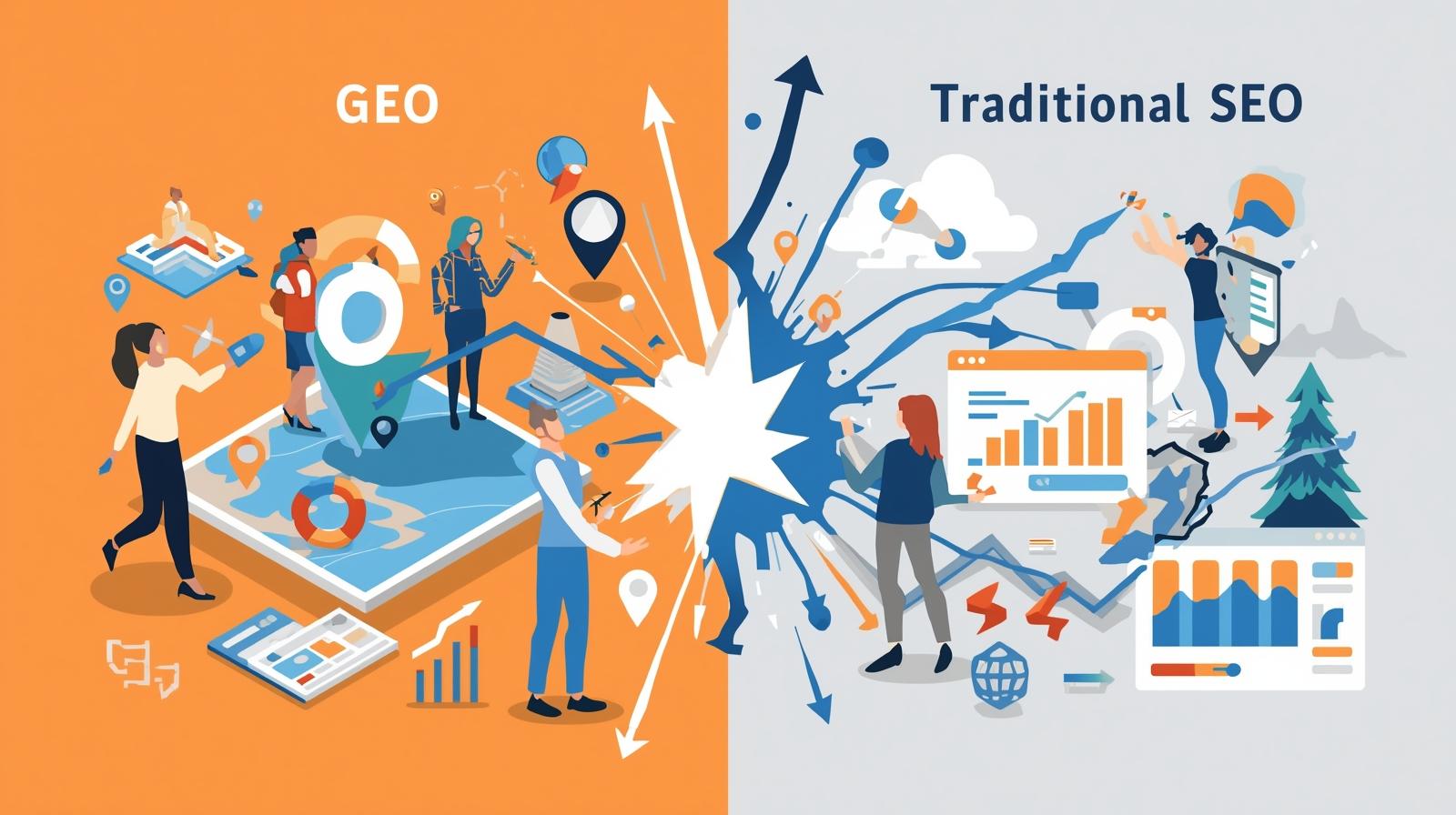
Search engine optimization (SEO) is one of the most powerful digital marketing strategies in 2025. But here’s the catch, it’s no longer a one-size-fits-all approach. The days of simple keyword stuffing or chasing global rankings are gone. Today, businesses face a key pivot point:
Should you invest in traditional SEO to target a broad audience? Or shift gears toward geo-targeted SEO (also called location-based SEO), which focuses directly on your local market?
If you’re unsure which stage your business is in, this guide will help you decode the differences between the two, spot the signals that suggest whether you’re following the right SEO path or if it’s time to course-correct.
What is Traditional SEO?
Traditional SEO is the “classic” SEO type most businesses are familiar with. Its main goal? Visibility on a national or global scale.
Key elements of traditional SEO include:
- Keyword research & optimization for broader, high-volume terms (like “best CRM software”).
- On-page SEO – meta tags, mobile optimization, site speed, and creating a seamless visitor journey.
- Content marketing focused on blog posts, pillar pages, and guides for general topics.
- Link building to increase authority by earning mentions from credible, high-authority websites.
Best fit: companies targeting a worldwide or industry-wide customer base. Examples include SaaS providers, online courses, global e-commerce, or publishers aiming to reach audiences everywhere.
Think of traditional SEO like casting a wide net in the ocean. The goal isn’t just one catch, it’s reaching as many fish as possible, no matter where they’re swimming.
What is Geo-Targeted SEO?
Geo-targeted SEO, often called geographic SEO or location-based SEO, narrows the scope. Instead of trying to rank everywhere, you position your brand to appear in searches specific to your location.
Key strategies include:
- Using local keywords like “best bakery in Chandigarh” instead of the generic “best bakery.”
- Optimizing Google Business Profile (maps, reviews, and business info).
- Securing local citations (directory listings, regional media mentions).
- Publishing localized content-such as events, guides, or blogs about your city or neighborhood.
- Encouraging customer reviews on Google and other review sites.
Best fit: service-based businesses and local brands—restaurants, real estate agencies, clinics, retailers, and fitness studios—all of which rely on foot traffic or region-specific customers.
Think of geo-targeted SEO as casting your fishing rod into your hometown lake. You may not catch everything, but the leads you bring in are exactly the ones most likely to buy from you.
GEO vs. Traditional SEO: 4 Signs You’re in the Right or Wrong Stage
Both strategies are valuable, but the real question is, which one matches your growth stage right now? Let’s dive into four key signs.
Sign 1: Your Audience Reach
- Right for Traditional SEO: If what you sell can be used by anyone, anywhere, traditional SEO is your weapon of choice. For example, an online meditation app, an AI tool, or a course platform isn’t bound by geography—it makes sense to target global traffic.
- Right for Geo-Targeted SEO: If your services depend on face-to-face interaction or a tight service area—like dental clinics, gyms, real estate offices, or cafés—you only need the people nearby to find you, not someone across the ocean.
Wrong Stage Example: A bakery in Delhi obsessing over ranking for “best cakes” globally. While it may attract visitors from the U.S. or Australia, these leads won’t convert. What they really need is “best cakes in Delhi” or “birthday cake shop in Connaught Place.”
Sign 2: Conversion Goals
- Traditional SEO: The goal here is long-term visibility, thought leadership, and brand awareness on a large scale. Conversions may take time, as potential customers often need to trust you globally before buying.
- Geo-Targeted SEO: Perfect for instant conversions. People searching “plumbers near me” or “best café in Bandra” usually make decisions immediately. The intent is highly transactional, which leads to faster sales.
Wrong Stage Example: A SaaS company focusing heavily on local directories instead of publishing authoritative blog content. They lose out on global SEO visibility that could attract customers worldwide.
Sign 3: Competition Level
- Traditional SEO: Competing globally means facing giants. Imagine trying to rank for “best SEO software”-you’ll be up against SEMrush, Ahrefs, and Moz. This requires significant content budgets, long-term backlink campaigns, and patience.
- Geo-Targeted SEO: By narrowing focus, you automatically reduce competition. Ranking for “best SEO agency in Chandigarh” is much more achievable than “best SEO agency worldwide.”
Wrong Stage Example: A dentist trying to rank for “best dentist” against thousands of global practices. They burn resources unnecessarily, when ranking for “best dentist in Chandigarh Sector 17” could directly bring in patients.
Sign 4: Resource Allocation
- Traditional SEO: Expect high investment-regular blog content, technical updates, global link acquisition strategies. Traditional SEO takes time and money, but it builds long-lasting domain authority.
- Geo-Targeted SEO: Budget-friendly and laser-focused. With just Google Business Profile optimization, a few local backlinks, and consistent reviews, small businesses can see real results faster.
Wrong Stage Example: A tiny café spending lakhs on global SEO link-building campaigns when simple geo-SEO tactics-like Maps optimization and local citations-could have immediately brought new walk-ins.
Which One Should You Choose?
The choice isn’t black and white. In reality, many brands thrive using a hybrid approach:
- National chains: McDonald’s, for example, needs traditional SEO for global authority but also localized SEO to rank “McDonald’s near me.”
- Startups: A coaching startup may first grow with geo-targeted SEO (say, ranking in Pune), and later expand into nationwide SEO campaigns as it scales.
So the right question isn’t “Which is better?” but rather:
“Which strategy matches my current stage and growth goals?”
If you’re still unsure, default to local SEO first. Why? Because targeted local traffic almost always converts better in the early stages of small-to-medium businesses.
Practical Tips for Shifting Toward Geographic SEO
If you’ve realized that geo-targeted SEO aligns with where you are right now, here’s how to strengthen your approach with actionable location-based SEO tips:
- Claim & Optimize Google Business Profile (GBP)
- Include accurate contact info, hours, photos, and regular updates.
- A well-maintained GBP can double your chances of appearing in local searches and Google Maps.
- Use Geo-Specific Keywords
- Add your city, neighborhood, or landmark-based keywords in titles, meta tags, and page copy.
- Example: “Affordable yoga classes in Bangalore” brings far better leads than just “Yoga classes.”
- Encourage & Collect Local Reviews
- Reviews not only convince potential buyers but also influence Google Maps rankings.
- Responding to reviews builds trust and improves local visibility.
- Create Location Pages (Multi-Region Brands)
- If you serve multiple cities, dedicate one landing page per location. Optimize each with city names, services, and customer reviews.
- Leverage Local Backlinks
- Partner with chambers of commerce, NGOs, local newspapers, or city directories. Local backlinks strengthen your geo relevance.
- Build Content Around Local Events
- Writing about festivals, city news, or “top things to do in Delhi” signals to both users and search engines that you’re deeply tied to the community.
Final Thoughts
The world of SEO is vast, but your choice between geo-targeted SEO and traditional SEO will determine how efficiently you grow.
- If your target market spans regions or nations, traditional SEO is the foundation of your long-term success.
- If your business is community-focused, don’t get lost competing on a global stage. Win your local market first with geo-targeted SEO strategies that bring quick wins.
The ideal approach? Start small, stay consistent, and scale your SEO strategy as your audience expands.
Remember: SEO isn’t just about ranking-it’s about relevance. The closer your strategy aligns with your customers’ intent, the faster you’ll see growth.
FAQs
What is the main difference between geo-targeted SEO and traditional SEO?
Traditional SEO is built for a wide, often national/global audience, while geo-targeted SEO focuses on location-based searches to attract nearby customers.
Who should use geo-targeted SEO?
Businesses that rely on local customers—restaurants, salons, doctors, real estate agents, and gyms—should prioritize location-based SEO.
Is traditional SEO still relevant in 2025?
Absolutely. It remains crucial for online-first brands, SaaS companies, and any business targeting a widespread audience.
Can I combine geo-targeted SEO with traditional SEO?
Yes. A hybrid SEO strategy often works best, especially for national or multi-branch businesses that serve both global and local audiences.
How long does geo-targeted SEO take to show results?
Often faster than traditional SEO. With Google Business Profile and reviews, results can be visible within weeks to a few months.
What are common mistakes in geo-targeted SEO?
Overstuffing city names, ignoring Maps optimization, and forgetting to ask customers for reviews.
Which is more budget-friendly?
Geo-targeted SEO is usually friendlier for small businesses since it requires fewer resources and delivers local, qualified leads quickly.
What tools help with location-based SEO?
Google Business Profile, Moz Local, BrightLocal, and SEMrush’s local SEO toolkit are great starting points.